ads
This guide aims to explore Turkish loan values, focusing on essential details for global borrowers.
We will examine popular ranges, approval criteria, and the benefits of seeking credit opportunities in Turkey.
ads
By focusing on comprehensive research and practical guidance, this text provides insights into typical loan amounts, essential documentation, and crucial steps for borrowers.
Readers will discover how to navigate Turkish financial structures, compare offerings, and seize potential advantages effectively.
1. The Turkish Loan Landscape
Understanding the Context:
The Turkish financial market has become increasingly attractive to international borrowers looking for loan opportunities. Over recent years, economic reforms and banking modernization have provided more transparent lending processes, allowing both local and foreign applicants to access credit in Turkey under favorable terms. This environment fosters competition among banks and financial institutions, resulting in a variety of products ranging from smaller personal loans to substantial business financing packages.
Why the Appeal?
One key reason for this popularity is Turkey’s strategic position as a bridge between Europe and Asia. Investors, entrepreneurs, and individuals often seek Turkish loans to leverage growth opportunities in both local and international markets. Additionally, the government and private sector have collectively strived to establish reliable regulatory frameworks that encourage responsible lending and borrowing. These frameworks typically mandate rigorous evaluation of an applicant’s creditworthiness, yet they also enable a broader audience—including non-residents—to qualify for funding if requirements are met.
Impact of Macroeconomic Factors:
Turkey’s economy, like any other, experiences fluctuations driven by global and regional trends. To manage economic shifts, Turkish banks often adjust their interest rates, approval criteria, and required collateral. While these policies can create challenges, they also pave the way for more loan opportunities with competitive terms. In many cases, borrowers find the interest rates to be relatively appealing when compared to other emerging markets.
ads
Importance of Thorough Research:
Before stepping into any commitment, individuals are encouraged to conduct comprehensive research on available lenders, current interest rates, and potential fees. Quick Tip: Always verify whether the institution offering the loan is licensed and recognized by Turkey’s regulatory authorities. This helps mitigate risks associated with unverified brokers or fraudulent schemes.
Planning for Currency and Inflation:
Borrowers should keep in mind the exchange rate between the Turkish Lira (TL) and their home currency, particularly if they reside or earn income outside of Turkey. Sudden fluctuations can affect the overall cost of the loan or monthly payment amounts. For this reason, prudent planning and, where possible, maintaining a financial cushion are essential strategies when taking out credit in Turkey.
2. Common Loan Amount Ranges
Defining the Bands:
Typically, loan values in Turkey fall into three broad categories: up to 50.000 TL, 50.000–150.000 TL, and 150.000–300.000 TL. These ranges reflect general consumer needs. Smaller loans are often used for short-term goals or emergencies, medium-sized loans cater to more expansive plans (like business expansions), and higher amounts might support major investments such as property acquisitions or large-scale ventures.
Why These Specific Ranges?
Lenders find it more practical to categorize loan products based on the scale of credit required. Individuals needing smaller sums often have fewer bureaucratic steps, while those seeking larger amounts face stricter criteria. This segmentation also helps financial institutions manage risk more effectively. They can customize interest rates, collateral requirements, and repayment schedules based on how large the principal amount is.
Balancing Risks and Rewards:
• Up to 50.000 TL: Borrowers can typically secure approval faster. The application process is often simpler, but interest rates may vary widely depending on the applicant’s credit history.
• 50.000–150.000 TL: This middle range is popular for medium-scale projects like home renovations, business equipment purchases, or consolidating multiple debts into a single loan. Institutions generally require more evidence of stable income or additional documentation.
• 150.000–300.000 TL: Higher-limit loans may offer better interest rates if backed by robust financial credentials or collateral. However, the application timeline is often longer due to the in-depth underwriting and verification steps.
Quick Tip:
Always calculate the total cost of the loan, including all fees and insurance requirements. Sometimes, promotional rates hide additional charges, so reading the fine print can save both time and money.
Possible Extensions Beyond 300.000 TL:
In specialized scenarios—such as corporate financing—loans can surpass the 300.000 TL mark. Yet, these arrangements often require comprehensive business plans, audited financial statements, and tangible securities.
3. Approval Criteria in Turkish Lending

• Credit History and Score:
Turkey employs credit scoring systems similar to those found in other countries. Lenders assess how reliably applicants have handled financial obligations in the past. A favorable credit report—indicating timely repayments and low default risk—can lead to lower interest rates and a faster approval process. Conversely, a poor credit record often prompts lenders to increase the interest rate or deny the application altogether.
• Income and Asset Verification:
Whether you are a local resident or a foreign national, proving your income is crucial. Financial institutions request documents such as pay stubs, bank statements, or business invoices. Additionally, borrowers with valuable assets (e.g., properties or vehicles) may use them as collateral to improve their borrowing terms. Quick Tip: Having at least three to six months’ worth of consistent income records can strengthen your application considerably.
• Loan Purpose:
The purpose behind credit in Turkey can influence your approval odds. Some lenders prefer to finance clear-cut investments, like property purchases or capital for a legitimate business plan. On the other hand, personal loans for unregulated trading or high-risk activities might raise lender concerns, resulting in stricter conditions or outright rejection.
• Documentation Requirements:
• A valid ID or passport
• Proof of residence (utility bill or registration documents)
• Bank statements (usually the last three to six months)
• Income verification (salary slips, business licenses, tax returns)
• Collateral documentation (if applicable)
Consistency in Data:
Submitting inconsistent or incomplete documents can delay your approval. Lenders want assurance that all information is accurate. Quick Tip: Keep digital copies of your documents for quick reference, ensuring everything aligns with your loan application forms.
Turkish Banks Offering a Range of Loan Amounts
• Ziraat Bank:
Ziraat Bank is among the oldest financial institutions in Turkey, offering a wide variety of loan products that cater to both individual and business needs. Borrowers seeking smaller sums for personal uses can benefit from simplified application processes, especially when presenting stable income documents. For medium-scale funding, the bank provides structured repayment schedules, ensuring flexibility in monthly installments.
As for substantial investments, Ziraat Bank often extends favorable terms to customers who meet specific collateral requirements, particularly in the agricultural sector. This approach fosters economic growth nationwide, making Ziraat Bank an ideal choice for clients looking to secure loans of varying sizes.
• Garanti BBVA:
Garanti BBVA stands out for its innovative digital channels and quick approval processes, making it a top pick for borrowers seeking fast and reliable loan services. From small personal loans that cover immediate expenses to larger credit lines supporting business expansions, the bank accommodates a broad range of financial needs. Applicants benefit from competitive interest rates, and those with strong credit histories may be eligible for additional perks or promotional campaigns.
Moreover, Garanti BBVA’s robust mobile banking platform simplifies monthly repayments and account management. This combination of efficiency and flexibility appeals to clients looking for seamless experiences across different loan brackets.
• VakıfBank:
VakıfBank is a government-backed institution that balances customer-focused services with various loan offerings suitable for individuals, small enterprises, and large corporations. Its personal loan options cater to household emergencies or minor investments, while specialized packages target professionals such as teachers or healthcare workers, providing them with preferential rates. For medium to high-level funding, VakıfBank employs structured reviews of business plans and collateral, ensuring transparency throughout the application process.
Clients can also take advantage of flexible payment arrangements, including grace periods or seasonal installments. This level of customization makes VakıfBank a go-to solution for borrowers seeking short-term or long-term financial support.
• Yapı Kredi:
Yapı Kredi places emphasis on innovative solutions, offering a robust digital platform that streamlines loan applications and management. Small-scale borrowers can enjoy hassle-free processes with concise documentation, while entrepreneurs have access to financing tailored for startup growth or equipment purchases. For larger projects, the bank examines credit profiles comprehensively, often proposing interest rate discounts when applicants present stable assets or promising business forecasts.
Frequent promotional campaigns also help reduce overall borrowing costs, making repayments more manageable in the long run. From bridging minor cash flow gaps to funding substantial investments, Yapı Kredi’s dynamic offerings cater to a wide spectrum of needs.
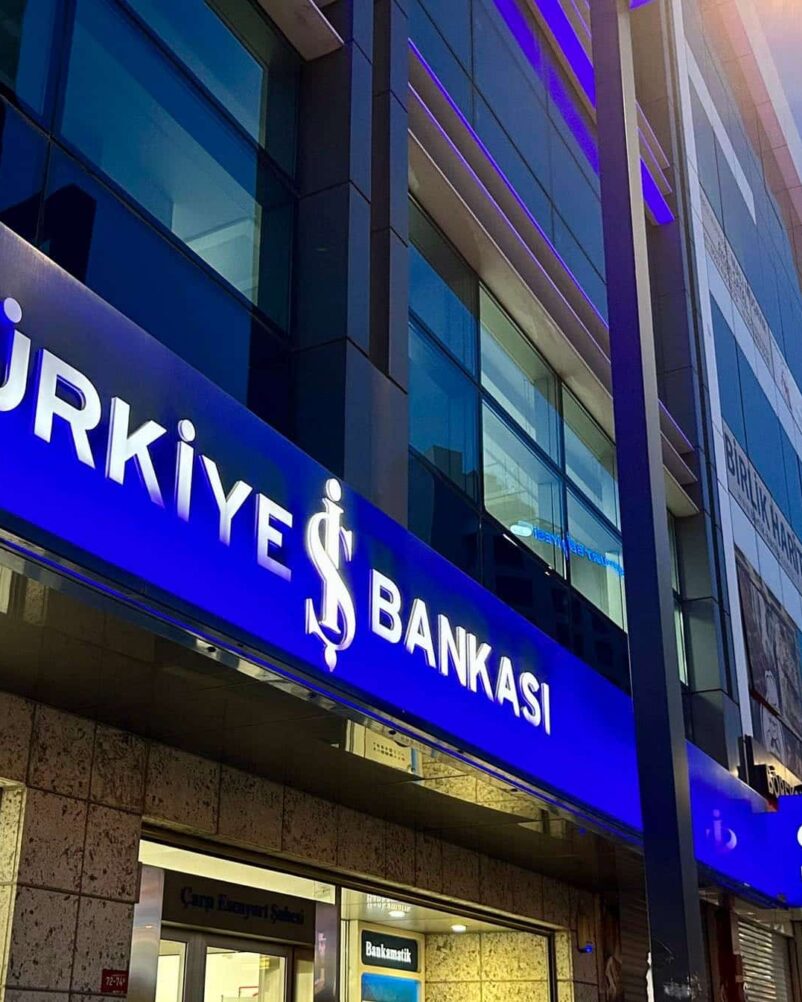
• İş Bank:
İş Bank, celebrated as one of Turkey’s most established private banks, stands out for its versatile loan portfolio aimed at diverse customer segments. Smaller loans can serve personal necessities, like home improvements or educational costs, with application steps simplified through online channels. For medium-sized requirements, İş Bank pays close attention to stable incomes and thoughtful repayment plans, potentially granting competitive interest rates.
Meanwhile, larger loan seekers can leverage real estate or business assets as collateral, paving the way for extended repayment periods. With a focus on personalized guidance, İş Bank underscores transparency, customer support, and beneficial terms across multiple credit solutions.
4. Key Advantages of Borrowing in Turkey
• Competitive Interest Rates:
While fluctuations do occur, many borrowers find loan opportunities in Turkey to be cost-effective, particularly when global interest rates rise elsewhere. Some banks offer promotional deals for first-time clients or for specific purposes, such as eco-friendly initiatives or agricultural projects.
• Flexible Repayment Terms:
Turkish financial institutions often present varied repayment options, spanning from short-term settlements (6–12 months) to extended plans (up to 60 months or more). This flexibility allows borrowers to align monthly installments with their earning cycles or cash flow.
• Potential for Refinancing:
If you maintain a solid repayment history, you might have the option to refinance your Turkish loans later at a better rate. Refinancing can reduce your monthly payments, total interest cost, or both. Quick Tip: Always verify early repayment or refinancing fees. Some contracts may penalize borrowers for settling debt ahead of schedule.
• Diverse Loan Products:
The lending environment includes conventional loans, Islamic banking products (e.g., murabaha or sukuk financing), and specialized lines of credit for exporters, importers, or tourism-based businesses. Consequently, borrowers can select a product that best matches their personal or professional objectives.
• Digital Application Processes:
In line with global fintech trends, several Turkish banks and online lenders now allow digital applications, cutting back on paperwork and processing time. Applicants can submit documents through secure portals, track the status of their requests, and, in some cases, even receive approval without needing to visit a physical branch.
5. Documentation and Pre-Approval Conditions
Essential Paperwork:
Most institutions will request proof of identity (passport or Turkish ID), residential address, and evidence of financial stability. Digital innovations have streamlined this stage: scans or high-resolution photographs of documents often suffice for preliminary screening. Nonetheless, original copies may be required later.
Pre-Approval Steps:
Online Form Submission:
Prospective borrowers typically fill out an initial form detailing their personal data, desired amount, and intended loan purpose.
Credit Check:
Banks assess the individual’s creditworthiness, verifying outstanding debts or negative incidents.
Preliminary Decision:
If the applicant meets basic criteria, the lender issues a conditional offer detailing potential interest rates and repayment periods.
Quick Tip: A pre-approval letter is not a binding contract, but it does confirm your creditworthiness. This can expedite negotiations or help you position yourself favorably if you are competing in a property or business transaction.
Waiting Times:
Depending on the institution, initial feedback might arrive within hours or a few business days. Finalizing all steps can stretch from one week to a month, especially for higher loan brackets requiring collateral appraisals or more extensive verification.
6. Comparative Loan Ranges
Below is a simplified chart comparing three general loan ranges in Turkey, focusing on basic approval aspects, potential uses, and typical durations. Keep in mind individual bank policies may differ:
| Loan Range (TL) | Approval Speed | Common Uses | Typical Repayment Terms |
|---|---|---|---|
| Up to 50,000 | Faster (1-5 days) | Emergencies, small businesses, debts | 6-24 months |
| 50,000 – 150,000 | Moderate (5-14 days) | House renovation, car purchase, expansion | 12-48 months |
| 150,000 – 300,000 | Longer (1 month or more) | Real estate, major business investment | 24-60 months or tailored options |
This comparative overview illustrates how borrowers at each level may experience variations in the speed of approval, documentation needs, and repayment flexibility. Quick Tip: Always confirm the exact timeline with your chosen bank to avoid unexpected delays.
7. Real Testimonials from Across Turkey
Testimonial 1 – Murat (Istanbul):
“I needed credit in Turkey to expand my café in Istanbul’s bustling city center. After comparing three major banks, I chose one offering a promotional rate for small businesses. The approval process took about ten days, and the bank even allowed me to renegotiate terms after six months.”
Testimonial 2 – Ezgi (Ankara):
“My experience securing a personal loan was surprisingly smooth. I researched different loan opportunities online and applied digitally. The interest rate felt manageable, and I appreciated the flexible repayment schedule. My advice is to ensure all your paperwork is in order before applying.”
8. Relevant Statistics on Turkish Loans
• The Turkish financial market has shown steady growth in consumer lending, recording annual increases in personal credit demand over the last five years.
• Approximately 60% of local borrowers favor loans below 150.000 TL, signaling that medium-range financing remains most sought-after.
• Foreign investors account for a growing segment of loan applications, particularly within the real estate and small-to-medium enterprise (SME) sectors.
• Some banks have reported that digital applications now represent over 40% of their total loan inquiries, highlighting the growing impact of fintech solutions.
By understanding these trends, prospective borrowers can better gauge market dynamics and plan accordingly. Below are a few bullet points summarizing key considerations:
• Always verify the lender’s credibility.
• Investigate potential penalties for early repayment or refinancing.
• Monitor currency exchange rates if you earn or hold funds in a different currency.
• Keep a buffer to manage unexpected financial shifts.
Frequently Asked Questions (FAQs)
Q: Can foreigners without a Turkish residency permit apply for loans in Turkey?
A: Yes, under certain conditions. Applicants typically need a tax ID number and verifiable income sources. Many banks also require proof of address, even if overseas. However, approval may include additional steps, like higher collateral requirements or a co-signer.
Q: What are typical interest rates for Turkish loans?
A: Rates vary based on economic factors, loan size, and borrower profile. Generally, they can range from single-digit percentages to the mid-teens, though they fluctuate over time. Staying updated on official central bank announcements and comparing multiple offers is crucial.
Q: Are there loan products tailored to small businesses or startups?
A: Absolutely. Numerous banks offer specialized packages for micro-enterprises, SMEs, and startups. These may include interest rate subsidies, flexible repayment options, or government-backed guarantees. Applicants should prepare a clear business plan to strengthen their case.
Q: How long does it usually take to finalize a loan?
A: For smaller amounts (up to 50.000 TL), approval might come within days. Medium-range loans can take anywhere from one to two weeks. Larger loans requiring extensive documentation or collateral may extend to a month or more.
Related Topics
• Turkish economy
• Loan applications
• Financial planning
• Investment strategies
• International banking
Throughout this article, we have emphasized practical ways to explore loan opportunities and navigate the Turkish financial market successfully. From understanding the ranges of Turkish loans to recognizing the significance of meticulous documentation, our goal has been to offer a clear roadmap toward securing credit in Turkey.
By maintaining vigilance on economic indicators, seeking reputable lenders, and planning your repayment strategy, you can make well-informed decisions that support both personal and professional aspirations.