

Thinking about a U.S. Bank personal loan?
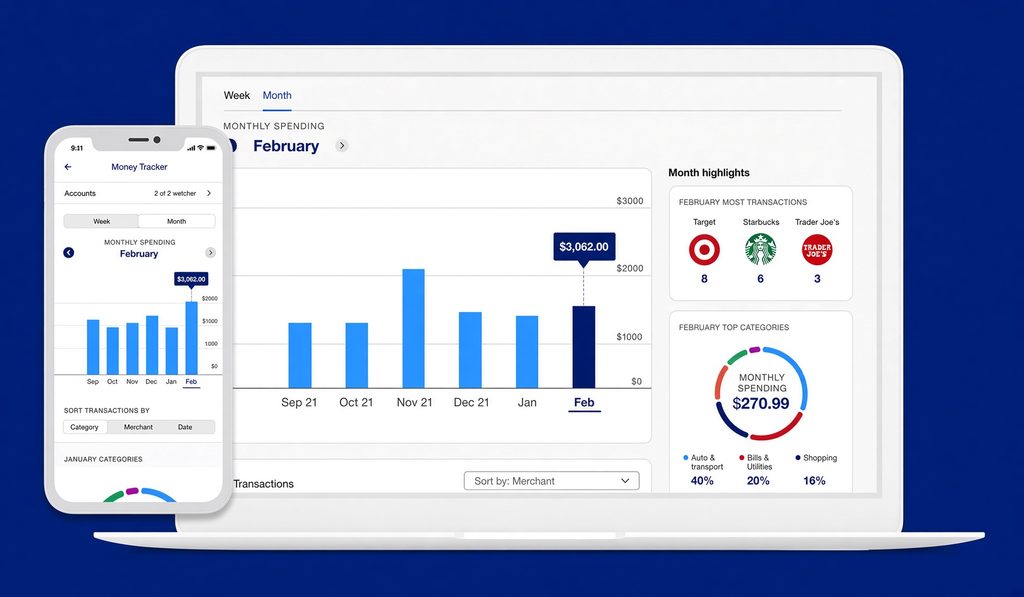
The cleanest move is to head straight to the lender and see the real terms attached to your own profile. This page focuses on a single lender and a single product. Each button points to U.S. Bank, and nowhere else.
We are not U.S. Bank, we do not approve loans, and we make no promise about your approval. The numbers below are the ones the bank publishes, and they can shift without warning, so confirm everything inside your actual offer before you sign.
U.S. BANK LOAN
What a U.S. Bank Personal Loan Actually Is
U.S. Bank offers a fixed-rate, unsecured personal loan. There is no collateral involved, so your home or car is never on the line, and the fixed rate keeps the monthly payment identical from the first bill to the last. You receive the full sum up front and repay it in steady installments over the term you select. With the rate locked, the total cost is visible before you commit, which takes the guesswork out of budgeting.
There is one thing worth flagging early. U.S. Bank designs this loan mainly around its existing customers. If you already hold a checking or savings account there, you generally get access to higher amounts and longer terms, and the application tends to move faster. Non-customers can still apply, but usually with a lower ceiling and, in some cases, a visit to a branch to close the loan.
Rates, Amounts, and Terms
Here is the broad shape of the offer, based on what U.S. Bank publishes. Read these as a reference point, not a guarantee.
- APR: fixed, starting around the high 8% range and running up toward 25% for weaker credit.
- Loan amount: roughly $1,000 to $50,000 for existing customers, with non-customers generally capped lower, around $25,000.
- Repayment term: up to seven years for existing customers, and typically up to five years for non-customers.
- Fees: no origination fee and no prepayment penalty, so the approved amount lands in full and early payoff is free.
Enrolling in automatic payments can lower the rate by half a percentage point. As usual, the lowest advertised APR is aimed at applicants with excellent credit and strong income, and most borrowers land in the middle of the range. That is normal, and it is the reason checking your own rate beats trusting the headline figure.
Who Tends to Qualify
U.S. Bank leans toward borrowers with good-to-excellent credit, often a FICO score in the 660s and above, with better pricing as the score climbs. The bank also looks at income, existing debt, and whether you already bank there. An established checking account is the single biggest lever here, since it unlocks the larger amounts, the longer terms, and the smoother online process.
Documents You Will Likely Need
- A government-issued photo ID.
- Your Social Security number for the credit check.
- Proof of income, such as pay stubs, tax returns, or bank statements.
- Your U.S. Bank account details, if you are already a customer.
How to Apply, Step by Step
- Use a button on this page to open the official U.S. Bank personal loan page.
- Prequalify to see your estimated rate. This is a soft credit check, so your score is untouched.
- Compare the amount, term, and monthly payment on offer against what your budget can handle.
- Choose your amount and term, complete the full application, and sign.
- Once approved, funds often arrive within one to four business days, and faster for existing customers.
A Simple Example to Picture the Cost

Say you borrow $20,000 over 5 years. At a mid-range rate, the monthly payment tends to land somewhere around $400 to $430, depending on the exact APR you receive. The specific figure matters less than the discipline behind it: before accepting, add up the total you will repay over the full term, not just the monthly number. A lower payment stretched across seven years can cost far more in interest than a slightly higher one cleared in five.
What to Watch in Your Offer
Focus on three numbers. The APR, because it bundles the interest into one figure you can compare. The total repayment, because that is the true price of borrowing. And the term, because a longer one shrinks the monthly bill while quietly raising the lifetime cost. If you can shoulder a shorter term, it usually saves money. Since U.S. Bank charges no prepayment penalty, any extra dollars you send go straight to the principal.
A Quick Safety Note
U.S. Bank will never ask you to pay an upfront fee to “release” a loan, and it will not request passwords or one-time codes by text. If a link reaches you through a random message rather than you visiting the official site yourself, do not upload your ID or share personal information. Begin the application by typing the address yourself or using a trusted button, and most of the risk disappears.
After the Money Arrives
When the deposit clears, the focus moves from borrowing to repaying. Autopay is the simplest way to never miss a date, and even one missed payment can add fees and ding your credit. If extra cash lands later, a bonus or a refund, putting part of it toward the loan shortens the term and cuts the interest. Once the final payment settles, keep the payoff confirmation on file as proof the account is closed.
Common Mistakes to Avoid
- Watching only the monthly payment while ignoring the total cost.
- Borrowing more than you need because the approval felt easy.
- Reaching for the longest term just to shrink the payment.
- Skipping a quick rate comparison at another lender when your credit is strong.
A U.S. Bank personal loan is a dependable, no-fee choice, and it is at its best for existing customers who want higher limits, longer terms, and fast funding. It is not the right tool for everyone, but if you already bank there and your credit is solid, checking your rate costs nothing. The buttons here send you to the official page, where you can see your real offer before committing.
