ads
Managing credit card expenses is crucial for maintaining a balanced financial life.
Learn practical tips to control your spending effectively. In this article, we will explore comprehensive strategies to manage your credit card usage, prevent debt accumulation, and ensure your financial health remains strong and stable.
From monitoring your expenses and making timely payments to using credit wisely and setting personal limits, these techniques are designed to help you navigate the complexities of credit management with ease and confidence.
1. Monitor Your Credit Card Spending
Keeping a close eye on your credit card expenditures is the first step towards avoiding debt. Tracking your spending habits allows you to identify unnecessary expenses and adjust your budget accordingly.
Understanding Your Spending Patterns
The key to managing credit card debt effectively lies in understanding where your money goes each month. Start by reviewing your credit card statements regularly. Categorize your expenses into essentials (like groceries and utilities) and non-essentials (such as dining out and entertainment). This practice not only highlights areas where you can cut back but also helps you stay within your budgetary limits.
ads
Utilizing Budgeting Tools
There are numerous budgeting apps and tools available that can help you monitor your credit card spending in real-time. Apps like Mint, YNAB (You Need A Budget), and PocketGuard sync with your credit card accounts to provide a clear overview of your financial status. By setting spending limits for different categories, these tools alert you when you’re approaching or exceeding your budget, enabling you to make informed financial decisions promptly.
Setting Financial Goals
Establishing clear financial goals can motivate you to manage your credit card usage more responsibly. Whether it’s saving for a vacation, building an emergency fund, or paying off existing debt, having a tangible objective provides a sense of purpose and direction. Aligning your credit card spending with these goals ensures that every purchase contributes to your long-term financial well-being rather than detracting from it.
Quick Tip
Track Every Expense: Use a smartphone app to log all your credit card transactions daily. This habit increases awareness and accountability, making it easier to control impulsive spending.
2. Make Timely Payments
Ensuring that your credit card payments are made on time is fundamental to avoiding debt. Consistently paying your bills punctually can save you from high-interest charges and protect your credit score.
Understanding Payment Due Dates
Missing a payment can lead to significant financial repercussions, including hefty late fees and increased interest rates. Familiarize yourself with your credit card’s payment due dates and strive to make your payments before the due date each month. Setting up automatic payments or reminders can help you stay on track and prevent accidental misses.
ads
Paying More Than the Minimum
While making the minimum payment keeps your account in good standing, it doesn’t significantly reduce your debt. Whenever possible, aim to pay more than the minimum amount. This strategy decreases your principal balance faster, reducing the overall interest you pay and shortening the time it takes to become debt-free.
Benefits of Full Payment
Paying off your credit card balance in full each month eliminates interest charges entirely. This practice not only helps you avoid debt but also contributes positively to your credit score. A higher credit score can lead to better loan terms and lower interest rates on future credit applications.
Quick Tip
Set Up Automatic Payments: Automate your credit card payments to ensure they are always made on time, avoiding late fees and maintaining a healthy credit score.
3. Use Credit Wisely
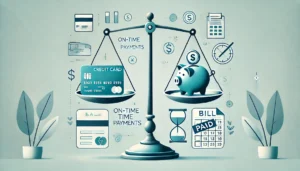
Using your credit card responsibly is essential for preventing debt accumulation and maintaining financial stability. Adopting mindful credit usage habits can help you leverage credit as a financial tool rather than a liability.
Understanding Credit Utilization
Credit utilization is the ratio of your credit card balance to your credit limit. Keeping this ratio below 30% is generally recommended to maintain a good credit score. High credit utilization indicates to lenders that you may be overextended financially, which can negatively impact your creditworthiness.
Avoiding Impulse Purchases
Impulse buying is a common pitfall that can lead to credit card debt. To combat this, implement a waiting period before making non-essential purchases. For example, wait 24 hours before buying an item you don’t urgently need. This pause allows you to assess whether the purchase aligns with your financial goals and is genuinely necessary.
Leveraging Rewards and Benefits
Many credit cards offer rewards, cashback, and other benefits that can be advantageous when used wisely. Take full advantage of these perks by paying off your balance each month to avoid interest charges. By doing so, you can enjoy the benefits without incurring additional costs, effectively using your credit card as a money-saving tool.
Quick Tip
Limit Credit Card Use: Reserve your credit card for planned and essential purchases, avoiding spontaneous spending that can lead to debt.
4. Establish Personal Limits
Setting personal spending limits on your credit cards is a proactive way to control your finances and prevent debt. By defining clear boundaries, you can manage your credit usage more effectively and stay within your budget.
Creating a Budget
A well-defined budget is crucial for establishing personal limits. Determine how much you can afford to spend on different categories each month, such as groceries, entertainment, and dining out. Allocating specific amounts to each category helps prevent overspending and ensures that your credit card usage aligns with your financial capacity.
Setting Credit Limits
In addition to your overall budget, set individual limits for each category. For instance, allocate a certain amount for dining out and another for entertainment. This granular approach helps you monitor and control your spending more precisely, reducing the likelihood of accumulating unnecessary debt.
Communicating Limits with Family
If you share financial responsibilities with family members, communicate your spending limits clearly. Ensuring that everyone involved understands and respects these boundaries fosters a cooperative approach to managing credit card usage and prevents conflicts related to overspending.
Quick Tip
Use Separate Cards for Different Expenses: Consider using different credit cards for various spending categories, allowing you to track and limit each area more effectively.
5. Educate Yourself on Financial Management
Improving your financial literacy is a powerful strategy for avoiding credit card debt and maintaining financial health. Understanding the fundamentals of personal finance equips you with the knowledge to make informed decisions and manage your credit responsibly.
Learning About Interest Rates
Interest rates can significantly impact the cost of using credit. Educate yourself on how interest rates are calculated and how they affect your balance. Understanding the difference between fixed and variable interest rates can help you choose the best credit card for your needs and anticipate future payment obligations.
Building an Emergency Fund
An emergency fund acts as a financial safety net, reducing the need to rely on credit cards during unexpected situations. Aim to save at least three to six months’ worth of living expenses. This fund can cover unforeseen expenses such as medical bills, car repairs, or job loss, allowing you to avoid accumulating credit card debt in times of crisis.
Seeking Financial Advice
If you’re struggling to manage your credit card usage or avoid debt, consider seeking advice from a financial advisor. Professional guidance can help you develop effective strategies for budgeting, saving, and debt repayment, tailored to your specific financial situation.
Quick Tip
Invest in Financial Education: Take advantage of free online courses, workshops, and resources to enhance your understanding of personal finance and credit management.
Comparative Chart: Strategies to Avoid Credit Card Debt
| Strategy | Benefits | Challenges | Ideal For |
|---|---|---|---|
| Monitoring Expenses | Increased awareness, better budgeting | Time-consuming, requires discipline | Individuals seeking control |
| Timely Payments | Avoids late fees, maintains credit score | Requires organization and reliability | All credit card users |
| Conscious Credit Usage | Reduces impulse purchases, lowers debt risk | May limit flexibility in spending | Those prone to overspending |
| Personal Spending Limits | Prevents overspending, aligns with budget | May require setting up multiple accounts/cards | Families and shared financial responsibilities |
| Financial Education | Empowers informed decisions, long-term benefits | Ongoing commitment to learning | Anyone wanting to improve financial literacy |
Testimonials
Satoshi from Japan
“Before adopting these strategies, I was constantly struggling with my credit card bills, often falling into debt traps. By monitoring my spending and making timely payments, I was able to reduce my debt significantly and improve my financial stability. These tips have truly changed my approach to managing credit.”
Elena from Mexico
“I used to overspend on my credit card without realizing the long-term consequences. Implementing a budget and setting personal limits helped me regain control over my finances. Now, I use my credit card responsibly and have managed to avoid any debt accumulation. Highly recommended for anyone looking to improve their financial health.”
Frequently Asked Questions (FAQs)
1. What should I do if I can’t make my credit card payment on time?
If you’re unable to make a payment on time, contact your credit card issuer immediately. Many companies offer hardship programs that can provide temporary relief, such as reduced interest rates or extended payment terms. Additionally, consider prioritizing essential payments and cutting back on non-essential expenses to manage your budget effectively.
2. How can I negotiate lower interest rates on my credit card?
To negotiate lower interest rates, first ensure you have a good payment history with your credit card issuer. Call the customer service number and politely request a rate reduction. Highlight your loyalty and good standing as a customer. If your credit score has improved or if market rates have decreased, use this information as leverage in your negotiation.
3. Is it better to pay off my credit card balance in full or carry a balance?
It is generally better to pay off your credit card balance in full each month to avoid paying interest charges. Carrying a balance can lead to high-interest debt, making it harder to achieve financial stability. Paying in full also positively impacts your credit score by keeping your credit utilization low.
4. Can using a credit card responsibly improve my credit score?
Yes, using a credit card responsibly can significantly improve your credit score. Regularly making on-time payments, keeping your credit utilization ratio low, and maintaining a diverse credit mix are all factors that contribute positively to your credit score. Responsible use demonstrates to lenders that you are a reliable borrower, which can enhance your creditworthiness over time.
Related Topics
• Credit Score Improvement Tactics
• Managing High-Interest Debts
• Emergency Fund Building Strategies
• Home Equity Loans vs. Personal Loans
• Negotiating Debt with Creditors
By integrating these strategies into your financial routine, you can effectively manage your credit card usage, prevent debt accumulation, and maintain a healthy financial life. Remember, the key to avoiding credit card debt lies in proactive management, disciplined spending, and continuous financial education. Start implementing these tips today to secure a financially stable future.